



There is a special kind of freedom in travelling alone. You choose when to wake up, where to eat and how long to stay at a viewpoint without checking anyone else’s mood. No compromises, no long group debates, just you and the road. But planning a solo trip can also feel a little scary at first. Where should you go? How much will it cost? Will it be safe? The good news is that with some smart preparation, the answers get much easier.
This guide walks you through how to choose the right place, how to keep costs under control, and how to find quiet corners that most visitors never see.
Why More People Are Choosing to Travel Alone
Solo travel is no longer a niche idea. Remote work, flexible leave and a growing wish for personal time have pushed many people to take trips on their own. Some want to recharge after a stressful year. Others simply want to follow their curiosity without negotiating every plan.
You Control Your Own Pace
On a solo trip, you can spend three hours in a museum or skip it completely. You can change your route because a local recommended a better trail. That flexibility often leads to the most memorable moments of the whole journey.
It Builds Confidence and Independence
Solving small problems on your own, like reading a train map or finding a late night meal, quietly builds confidence. Many travellers say they return home calmer and more sure of themselves.
How to Choose the Right Solo Travel Destinations
The best place for you depends on your comfort level, budget and travel style. A first timer may prefer somewhere easy to navigate, while an experienced traveller might want a challenge. If you are still comparing solo travel destinations, start by asking what mood you are in. Do you want rest, culture, nature or adrenaline?
For Calm and Recharging
Choose places with gentle scenery and slow rhythms, such as coastal towns, lakeside villages or quiet mountain areas. Look for walkable streets, cosy cafes and spaces where you can read, journal or simply watch the sunset.
For Culture and Food
Big cities with good public transport are ideal. They offer museums, markets, street food and plenty of other travellers to meet. South Korea’s coastal city of Busan is a good example of a destination that blends sea views, food and local culture without feeling overwhelming.
For Adventure and Nature
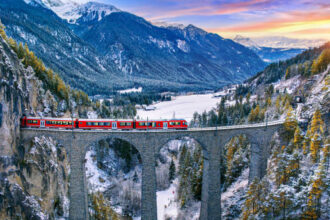
If you crave action, think about hiking regions, national parks and island destinations with water sports. Join a small group tour for the riskier activities, like diving or glacier walks, so you have guides and a safety net.
A Simple Rule for First Timers
Pick a destination with reliable transport, widely spoken English or easy translation tools, and a strong tourism infrastructure. You can always go wilder on your second or third solo trip.
How to Find Affordable Vacation Spots Without Feeling Cheap
Budget travel does not mean bad travel. It means spending on what matters and saving on what does not. Many affordable vacation spots offer great beaches, food and culture at a fraction of the cost of famous tourist hubs.
Travel in the Shoulder Season
Shoulder season is the period just before or after the busy months. Prices for flights and rooms are often lower, crowds are thinner and the weather is usually still pleasant. This is one of the easiest ways to cut costs without giving anything up.
Choose Where You Spend Your Money
Decide your top two priorities before you leave. Maybe it is a comfortable bed and good food, or maybe it is guided activities. Spend freely on those and be frugal on the rest. Staying in a well reviewed hostel private room or a small guesthouse often costs far less than a hotel, and it makes meeting people easier.
Eat Like a Local
Street food, markets and small family restaurants usually cost less than tourist area restaurants, and the food is often better. Ask your host or a shopkeeper where they eat. You will save money and discover tastes you cannot find in guidebooks.
Use Slow Travel to Save More
Moving less often reduces transport costs and tiredness. Staying a week in one place can bring lower nightly rates and a deeper feel for the area. Some accommodations even offer discounts for longer stays.
Discovering Hidden Gem Destinations
Famous landmarks are famous for good reasons, but they are also crowded. Some of the best moments happen away from the main square, in places that rarely appear on a top ten list. Exploring hidden gem destinations can give you quieter streets, friendlier locals and more authentic experiences.
How to Spot an Underrated Place
Look at second cities instead of capitals, small towns near famous sights and lesser known national parks. Read recent blog posts and traveller forums for places people describe as peaceful, local or underrated. If a place has plenty of good reviews but few international visitors, it may be a gem.
Talk to Locals and Other Travellers
Some of the best tips never reach the internet. Chat with your guesthouse host, a cafe owner or a fellow traveller in a shared kitchen. A single sentence like “you must see the sunrise from that hill” can shape your whole trip.
Travel Respectfully
When you visit quiet places, you also protect them. Carry out your rubbish, follow local customs, buy from small local businesses and avoid sharing exact locations of fragile natural spots online if they cannot handle crowds.
Safety Tips for Solo Travellers

Solo travel is rewarding, but sensible habits make it safer. Share your itinerary with someone you trust and check in regularly. Keep copies of your passport and insurance details in your email. Arrive in new places during daylight when possible, and trust your instincts if a situation feels wrong.
Practical Safety Habits
Use a money belt or a hidden pocket for backup cards and cash. Keep your phone charged and download offline maps before you go. Buy travel insurance that covers medical care and cancellations, because it is a small cost compared with the risk.
A Simple Packing List for a Light Trip
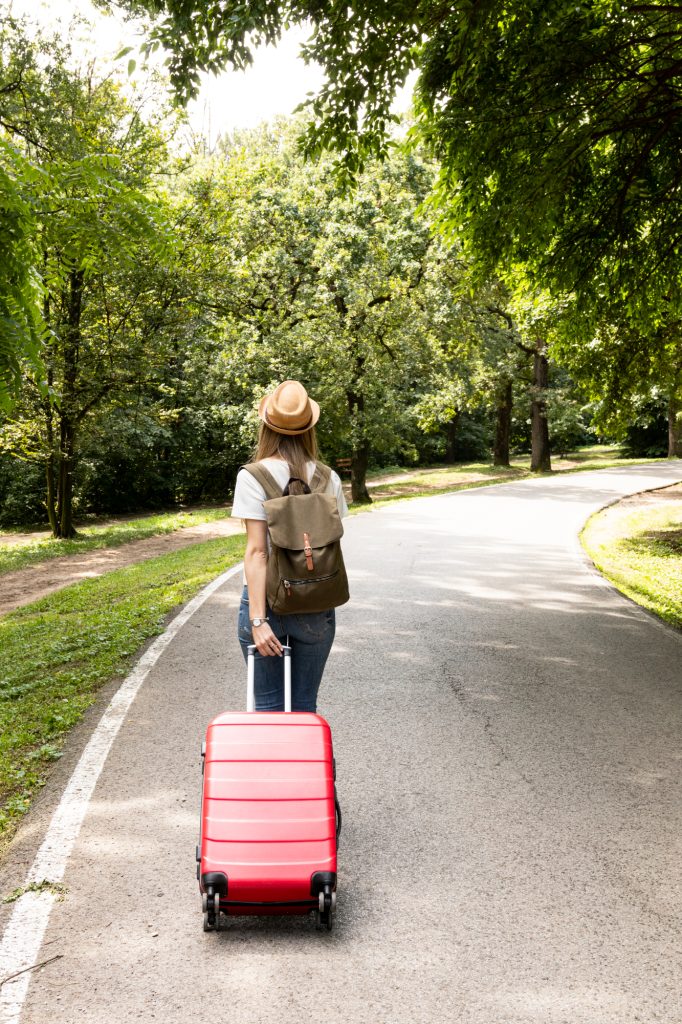
Pack light so you can move easily and carry everything yourself. A comfortable backpack, two or three versatile outfits, a reusable water bottle, a small first aid kit, a universal adapter and a portable charger will cover most trips. Leave space for souvenirs, but resist the urge to bring too much.
Final Thoughts
Solo travel is not about being alone. It is about being free to experience a place on your own terms. Choose a destination that matches your mood, save money by travelling smart, and make time to explore beyond the crowded highlights. Prepare well, stay curious and stay safe, and your first solo adventure may turn out to be the start of many.
Frequently Asked Questions
1. What are the best solo travel destinations for beginners?
Choose places with easy transport, good tourism infrastructure and a welcoming reputation. Coastal cities, well connected European towns and popular Asian destinations are common first timer choices. Start with a short trip to build confidence.
2. How can I find affordable vacation spots for a solo trip?
Travel in the shoulder season, compare flight dates, choose guesthouses or private hostel rooms, eat at local places and stay longer in fewer locations. Setting a daily budget before you leave also helps you stay on track.
3. What are hidden gem destinations and how do I find them?
Hidden gem destinations are lesser known places with great scenery, culture or food but fewer tourists. Look at second cities, small towns near famous sights and recent traveller blogs, and ask locals for recommendations.
4. Is solo travel safe?
It can be very safe with good preparation. Share your plans, research your destination, keep valuables secure, buy travel insurance and trust your instincts. Choose accommodation with good reviews and be careful when travelling at night.
5. How much should I budget for a solo trip?
It depends on the destination, season and travel style. Estimate flights, accommodation, food, local transport and activities, then add a buffer of 10 to 15 percent for surprises. Tracking your daily spending helps you adjust as you go.